nrim
Featured books
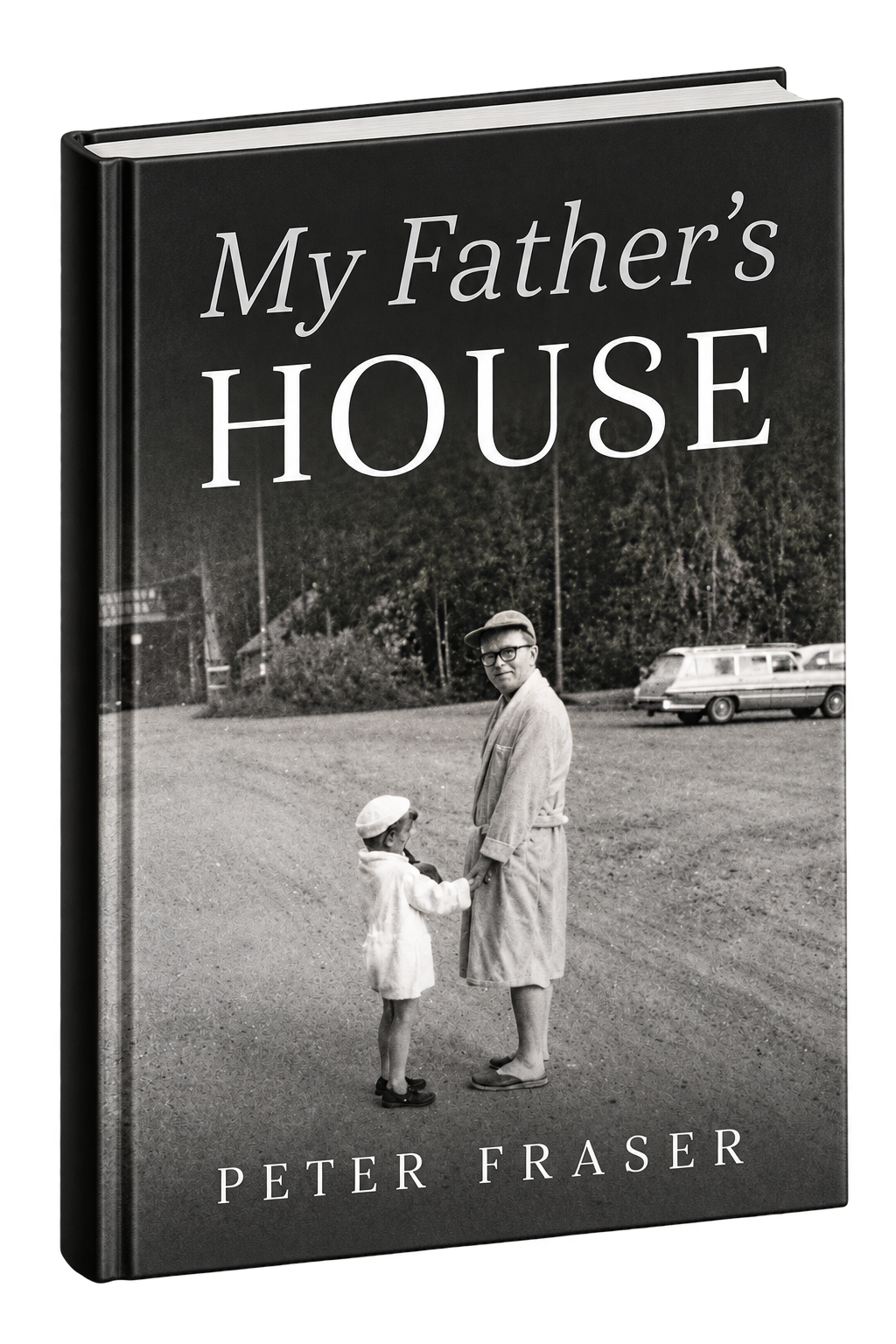
My Father's House
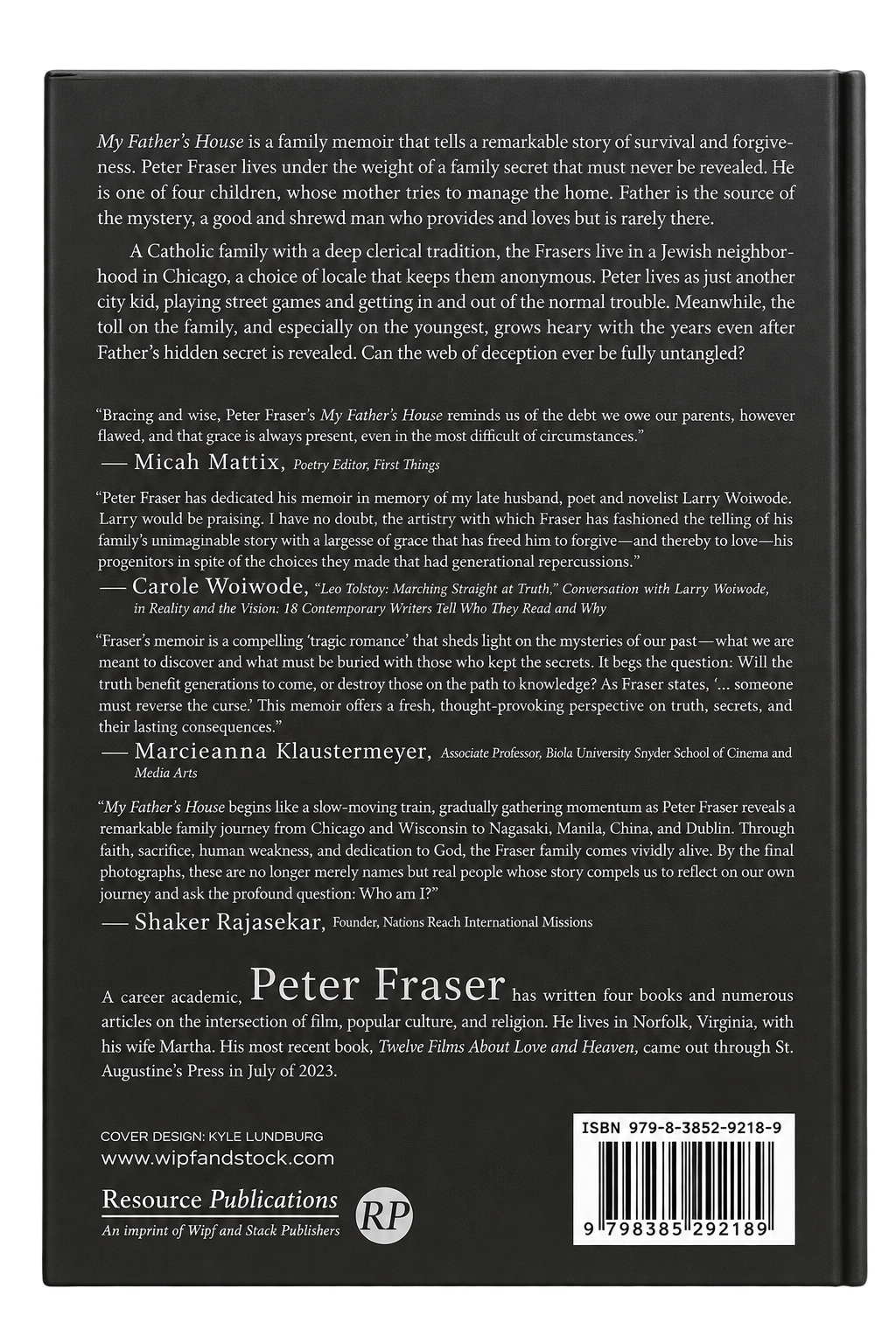
My Father’s House is a family memoir that tells a remarkable story of survival and forgiveness. Peter Fraser lives under the weight of a family secret that must never be revealed. He is one of four children, whose mother tries to manage the home. Father is the source of the mystery, a good and shrewd man who provides and loves but is rarely home.
A Catholic family with a deep clerical tradition, the Frasers live in a Jewish neighborhood in Chicago, a choice of locale that keeps them anonymous. Peter lives as just another city kid, playing street games and getting in and out of the normal trouble. Meanwhile, the toll on the family, and especially on the youngest, grows heavy with the years even after Father’s hidden secret is revealed. Can the web of deception ever be fully untangled?
Review by
shaker a. rajasekar
My Father’s House begins like a slow-moving train, allowing the reader time to enter Peter Fraser’s world and become acquainted with his family, childhood, and memories. As the story progresses, however, hidden details begin to emerge, relationships become more complex, and the narrative steadily gathers momentum. By the later chapters, the people we have encountered along the way have become vivid and memorable characters in an extraordinary family story.
One of the strengths of the book is the way Fraser gradually reveals the layers of his family history. What begins as a personal memoir develops into a much broader journey of family, faith, sacrifice, human weakness, and dedication to God.
The geographical and historical reach of the Fraser family story is remarkable. Beginning in Chicago and Wisconsin, the narrative extends across the world—from building a church in Nagasaki to Manila, China, and Dublin, and even includes a remarkable connection with Pope Benedict XV. These places and encounters give the memoir a scope that reaches far beyond one individual or one family.
Yet the strength of My Father’s House is not simply where the Fraser family traveled or whom they encountered. It is the humanity behind their story. Their dedication to God existed alongside personal struggles, weaknesses, complicated relationships, disappointments, and unanswered questions. Fraser does not present an idealized family history; he allows us to see real people attempting to live out their faith while experiencing the realities of being human.
Perhaps one of the most powerful moments comes after completing the book and looking through the photographs at the end. Suddenly, the people we have been reading about have faces. They are no longer simply names and characters on a page. The experience can be emotionally overwhelming and leaves the reader reflecting not only on the Fraser family, but also on one’s own parents, family history, memories, faith, and identity.
Ultimately, Peter Fraser does more than tell us where his family came from. Through My Father’s House, he quietly encourages us to examine where we ourselves came from and how our families, faith, strengths, weaknesses, and experiences have shaped us.
And when the journey finally ends, the book leaves behind a simple but profound personal question:
“Who am I?”
Books That Help Us Know, Understand, and Live the Word
At NRIM, we believe that meaningful transformation begins with knowing the Word of God and allowing it to shape the way we understand our faith, our calling, and the world around us.
We recommend books that can encourage deeper biblical understanding, strengthen faith, and help readers grow in their personal journey.